
The weeks after having a baby are described in greeting cards as a time of pure joy. And there is joy — real, fierce, overwhelming joy. But there is also exhaustion, uncertainty, physical recovery, and an emotional landscape that nobody quite prepares you for. One of the most important things we do at Vibrant Health Advocates – Aureon is help mothers in Grangemouth recognise when they could benefit from more support — and understand that needing that support is not a failure. It is simply being human.
Postnatal wellbeing exists on a spectrum. At one end, the baby blues — a few days of tearfulness and emotional sensitivity in the first week, triggered by rapid hormonal shifts — are experienced by the majority of new mothers and typically pass on their own. At the other end, postnatal depression and postnatal anxiety are clinical conditions that affect roughly one in five mothers in Scotland and respond well to proper care. Between those two points is a wide middle ground where many women find themselves: not in crisis, but not quite okay either.
Persistent low mood that does not lift
Feeling flat or sad for a couple of days is normal. Feeling that way for two weeks or more — particularly if it is accompanied by a sense of hopelessness or a loss of pleasure in things you usually enjoy — is worth discussing with your GP or health visitor.
Anxiety that feels out of proportion or uncontrollable
New parenthood naturally brings worry. But if you find yourself unable to leave the house without significant distress, checking on your baby constantly out of fear rather than necessity, or experiencing physical symptoms like a racing heart or difficulty breathing, those are signals your nervous system needs support.
Persistent difficulty bonding with your baby
Bonding is not always instant — for many mothers it builds gradually, and that is completely normal. But if weeks have passed and you still feel detached, disconnected, or as though you are going through the motions without feeling anything, please talk to someone. This is more common than you might think, and it is treatable.
Thoughts of harming yourself — please seek help today
If you are regularly having thoughts of harming yourself or feeling that your baby or your family would be better off without you, please seek help today. Contact your GP, call NHS 24 on 111, or speak to a trusted person. You do not need to be at a point of crisis to ask for urgent support — early intervention matters.
Growing isolation — the quiet one to watch for
Pay attention to growing isolation. If you have stopped answering the phone, stopped leaving the house, or started to feel that nobody could possibly understand what you are going through, that withdrawal itself is worth noticing. Connection is not a luxury in the postnatal period. It is medicine.
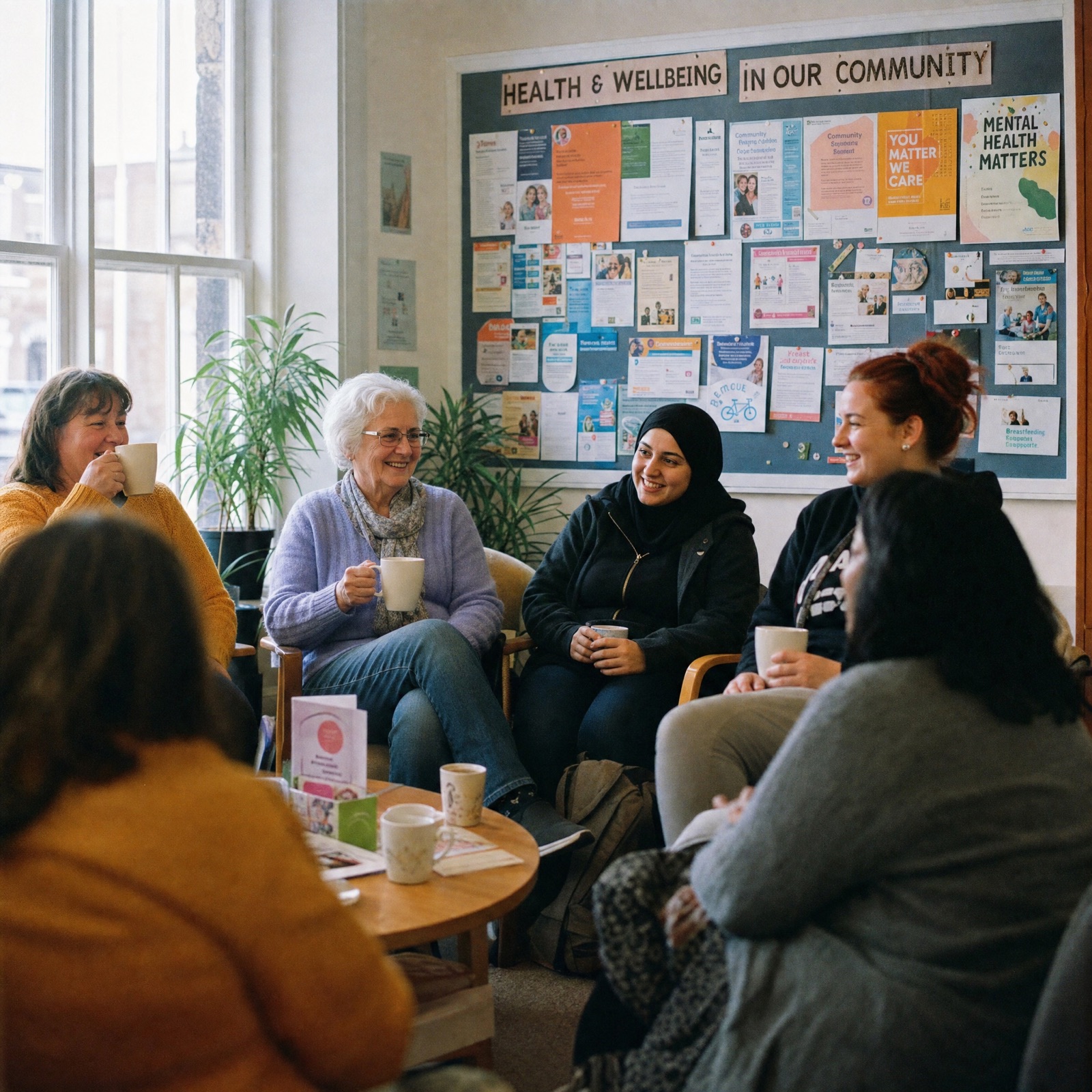
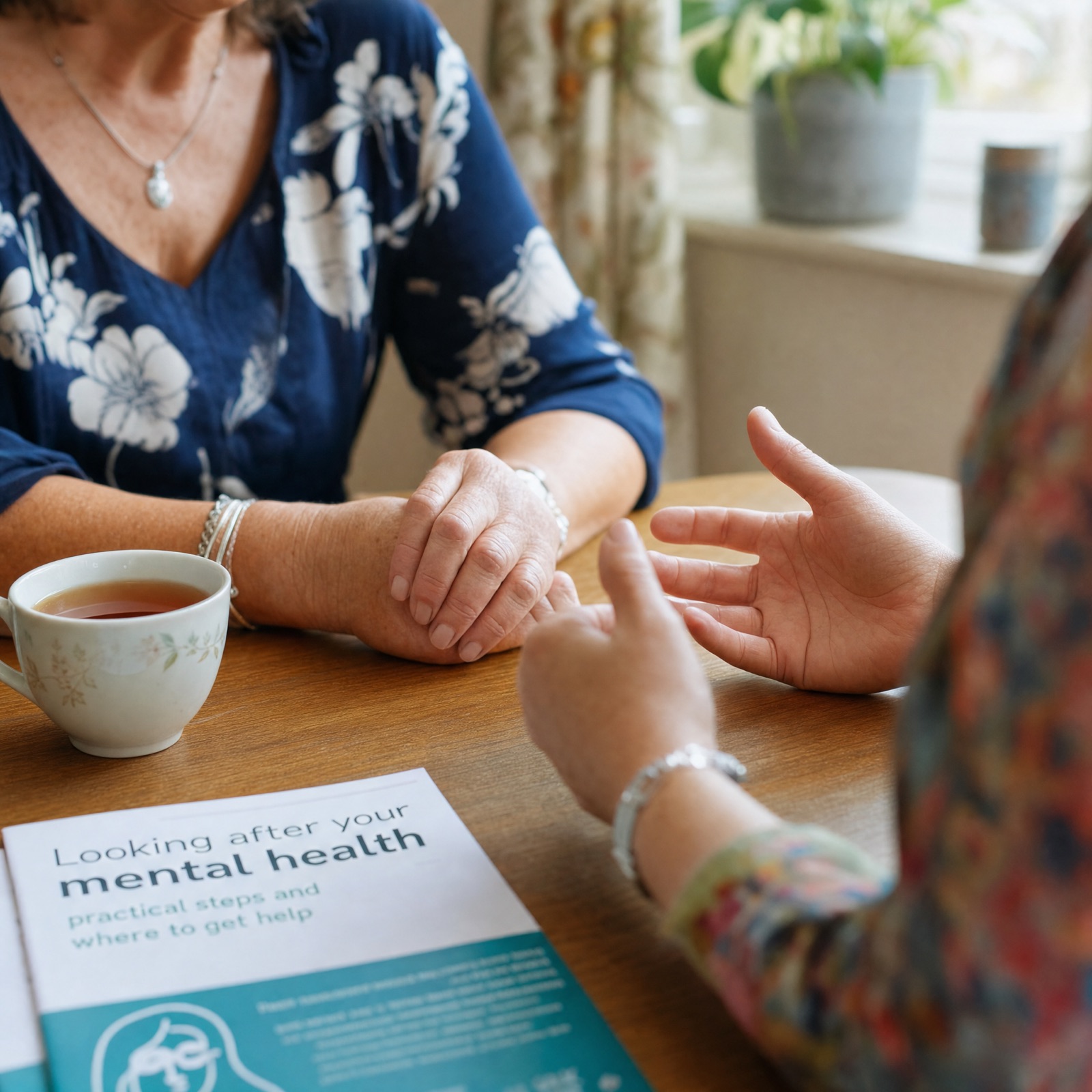
At our support circles, we do not diagnose or treat clinical conditions, but we do create a space where you can name what you are experiencing without judgment. We can help you understand the difference between normal adjustment and something that needs clinical attention, and we can point you toward the right services. Grangemouth has resources — the key is knowing they exist and feeling confident enough to reach for them. That confidence is exactly what we are here to help you build.
Come along — or just send us a message
Our circles are open to every new mother in Grangemouth, whatever you are feeling. No referral needed, no booking. We will meet you where you are.
Get in touch